

An intoxicating scent of lavender fills the garden. It rises from a magnificent lavender bush, from whose very center a rose blooms, as if it had chosen its place in the middle of a sea of violet blossoms.
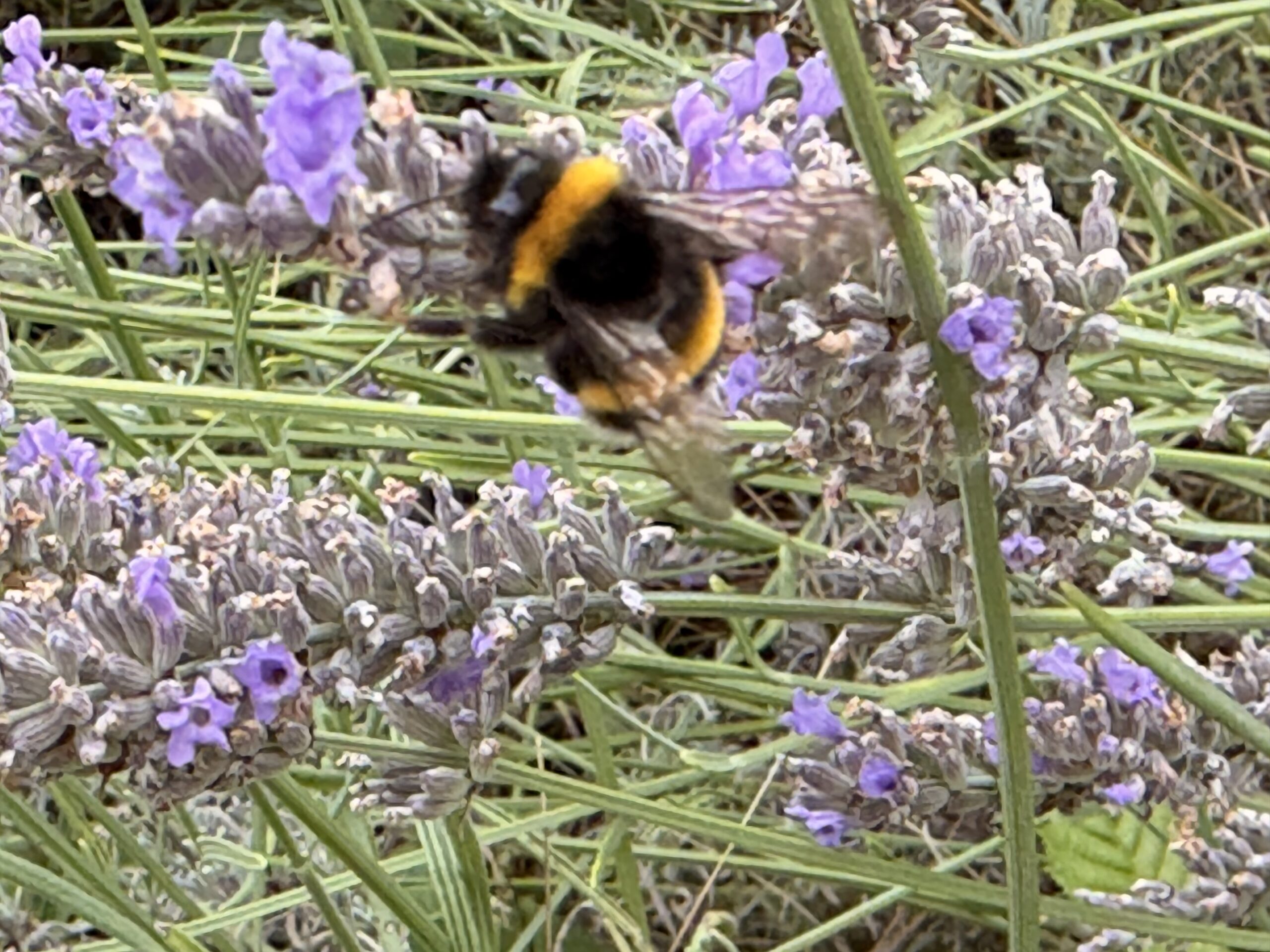
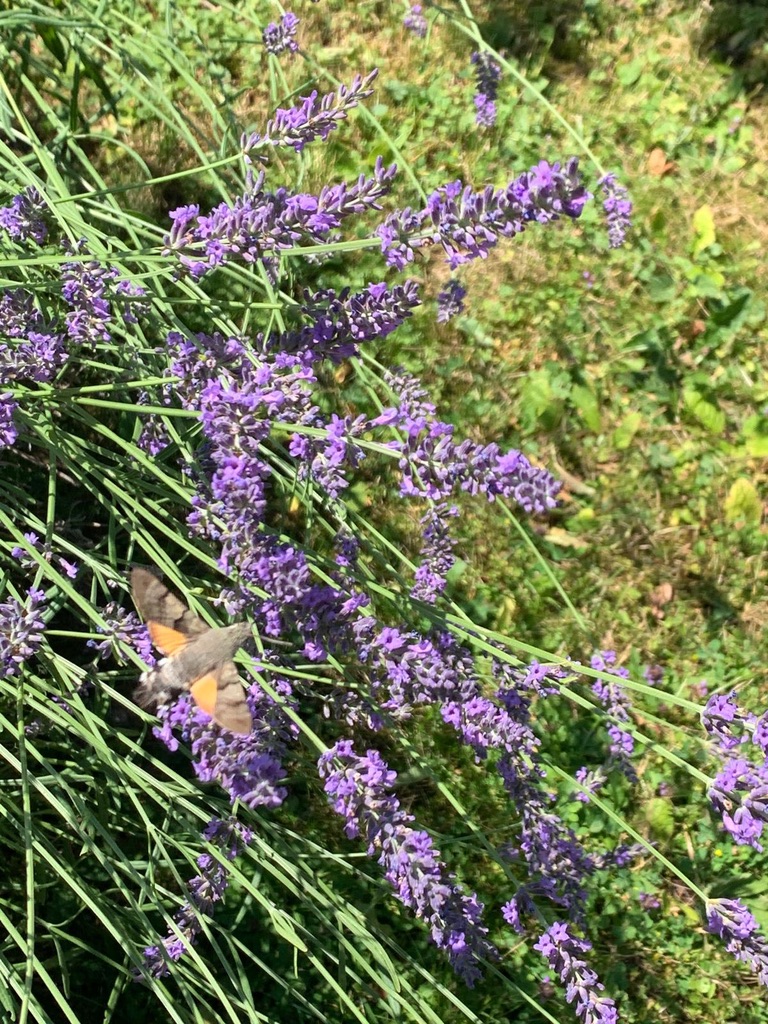
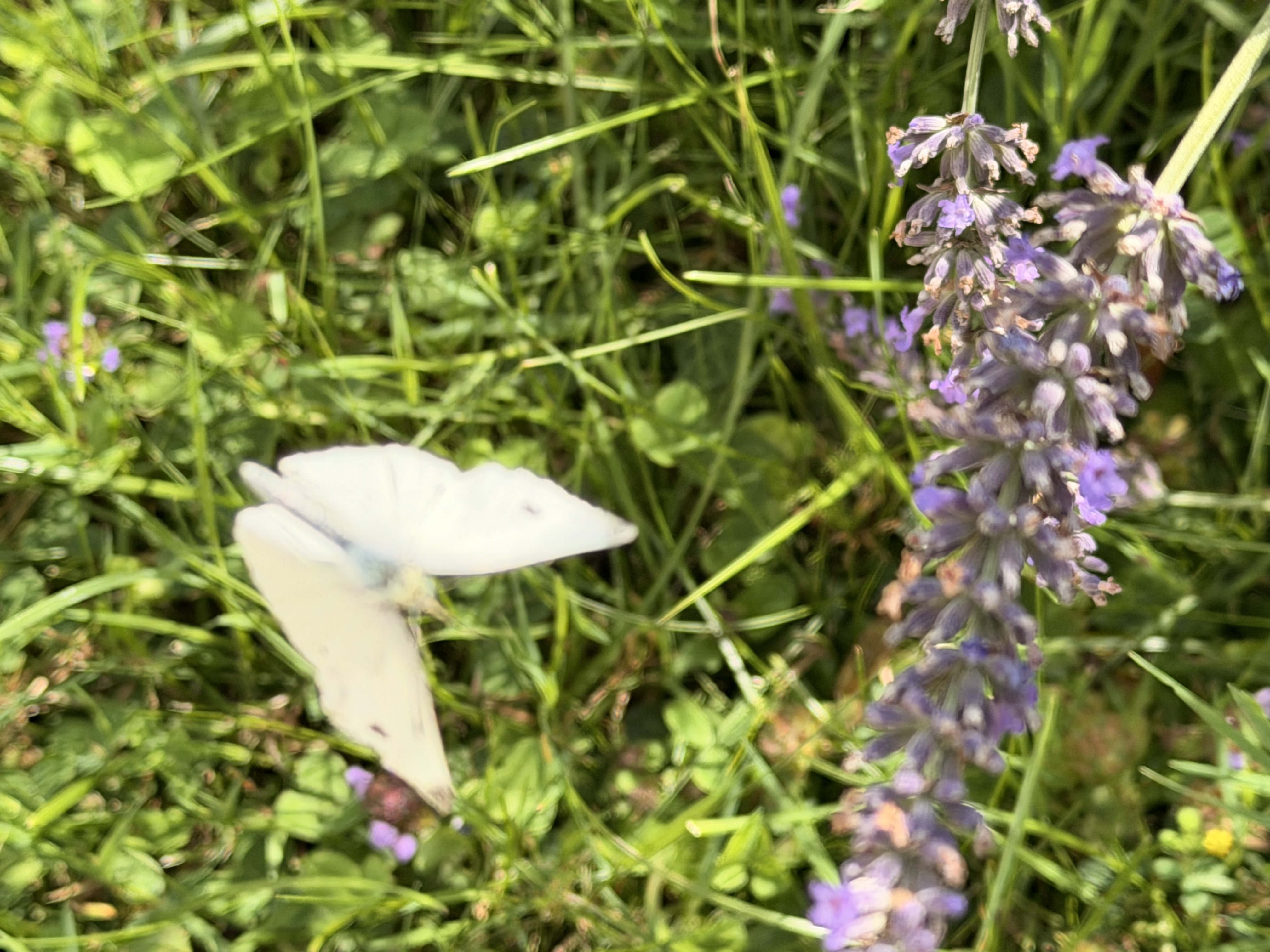
The lavender is a magnet for everything that flies. Butterflies settle gently on its flowers. Hummingbird hawk-moths hover like tiny hummingbirds, their wings beating so fast that they become little more than a shimmering blur. They extend their long proboscises deep into the blossoms before darting effortlessly to the next flower. Above it all lies the gentle hum of bees and bumblebees, tirelessly gathering nectar and pollen. The garden seems to breathe.
For the past month, we have been living in a rented house in Reichenau an der Rax.
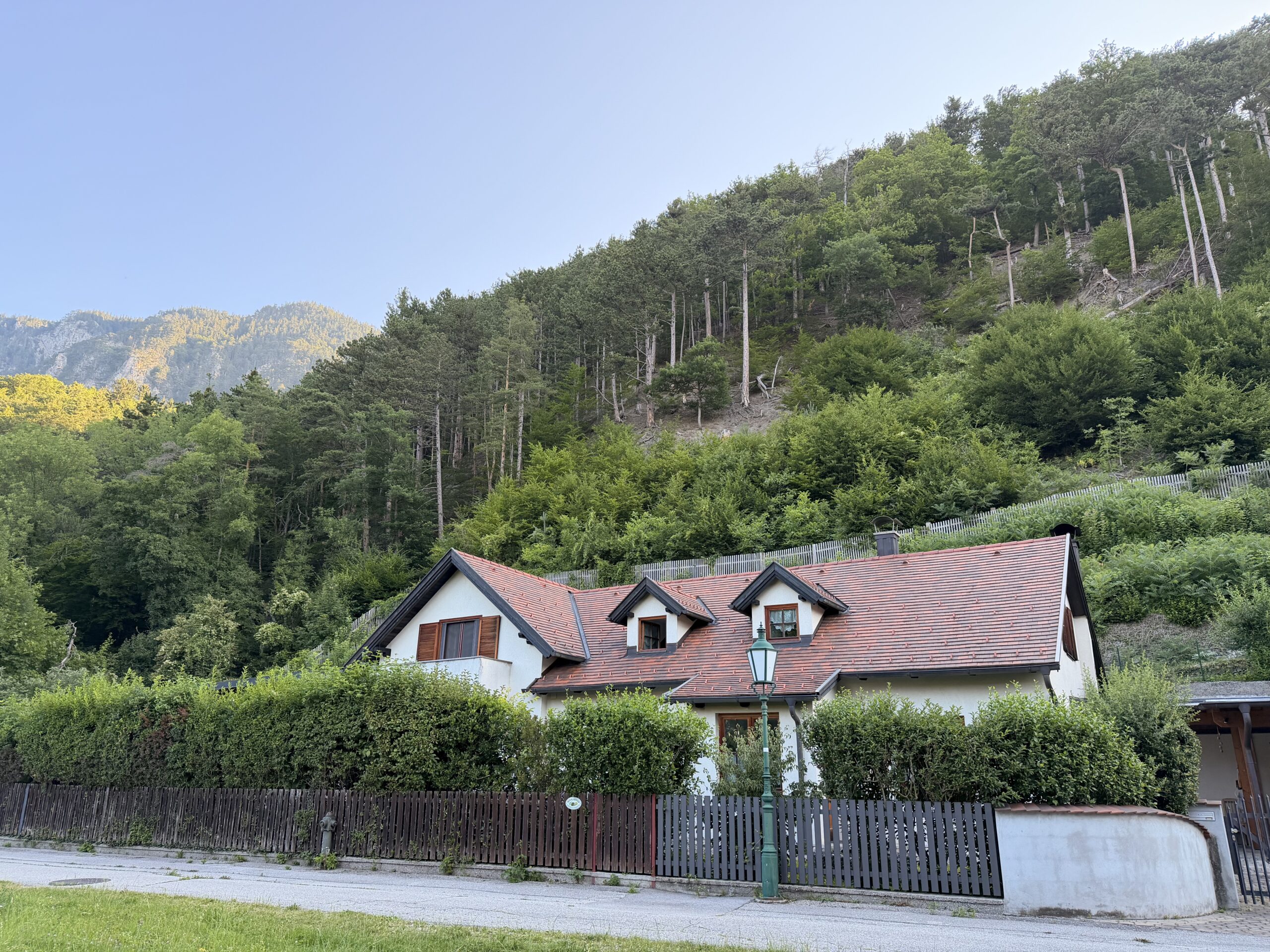
It is our second home and stands at the foot of a mountain that rises almost vertically behind it. On the northern side, the house seems to lean against the mountain itself, separated from it only by a massive concrete wall. To the west, however, the view opens toward the majestic Rax mountain range. Depending on the light, the mountain changes its expression—at times gentle and inviting, at others rugged and awe-inspiring.
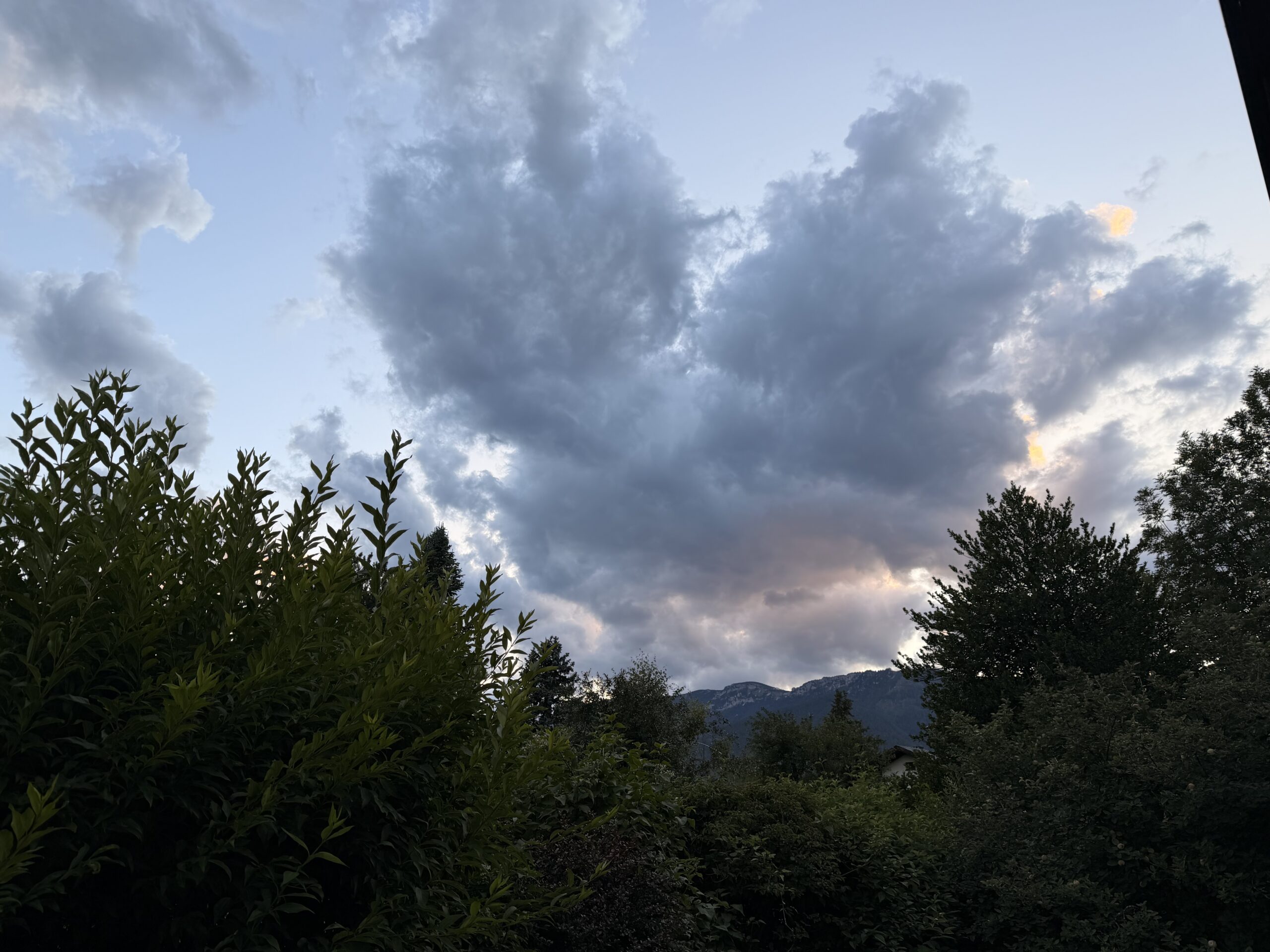
A bench beside the lavender bush has become my favorite place. From there, my gaze drifts again and again toward the Rax, while the fragrance of lavender and the soft humming of insects fill the moment.
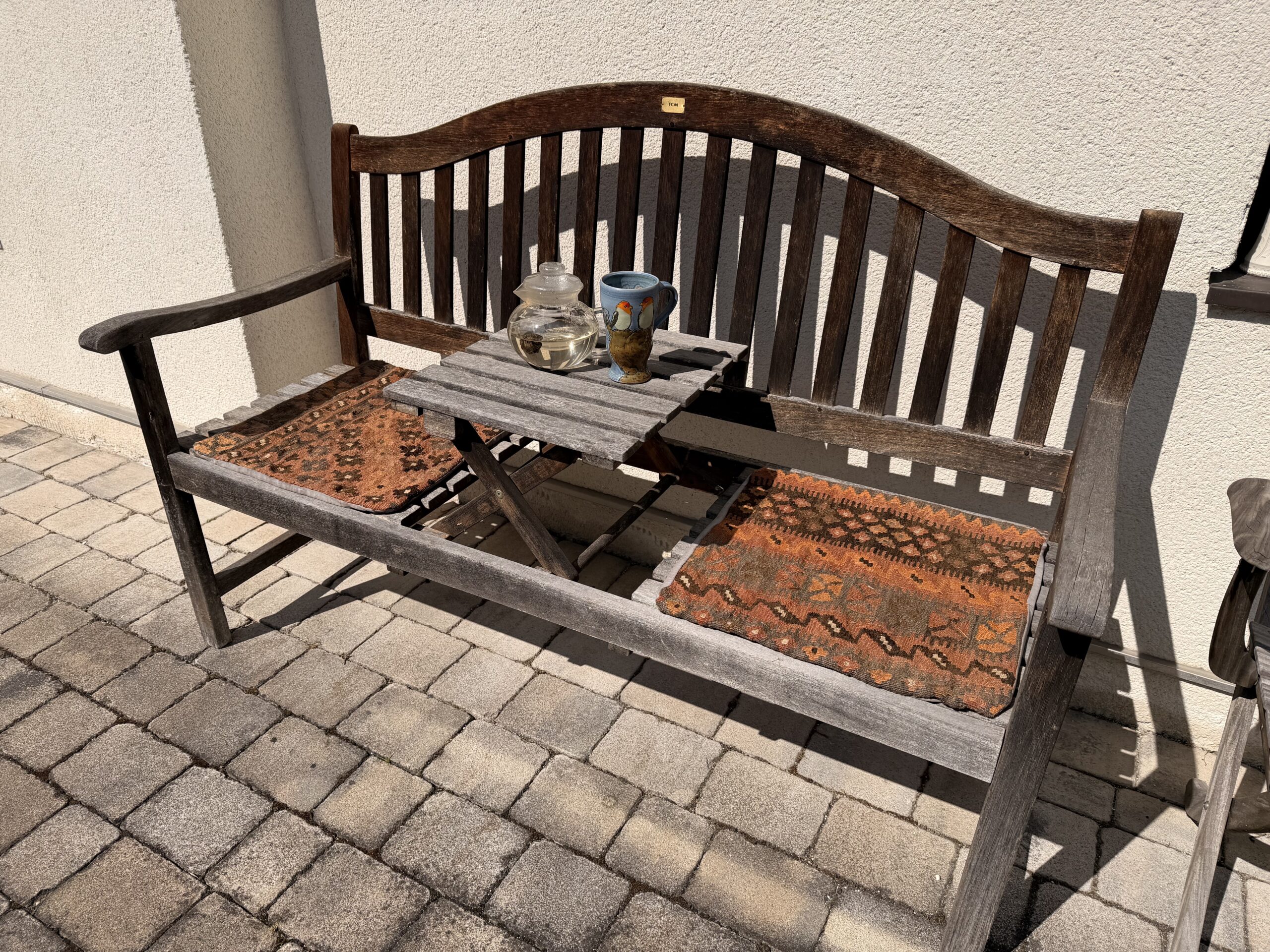
When we moved here, we thought we would have to bring this house to life. Gradually, however, we realized that it had never needed us to do so. This house has been alive all along. It is alive with quietness, serenity, and an unassuming joy. Its spirit is contagious, and little by little it has become part of us.
Behind the house is a forest which to enter is strictly forbidden. At the top of the ridge, signs identify it as a Bannwald—an old German word for a protected forest. The word itself has an almost medieval ring to it and immediately evokes a sense of awe and unease. The forest is dangerous. Its slopes are so steep that entering it could easily become hazardous.
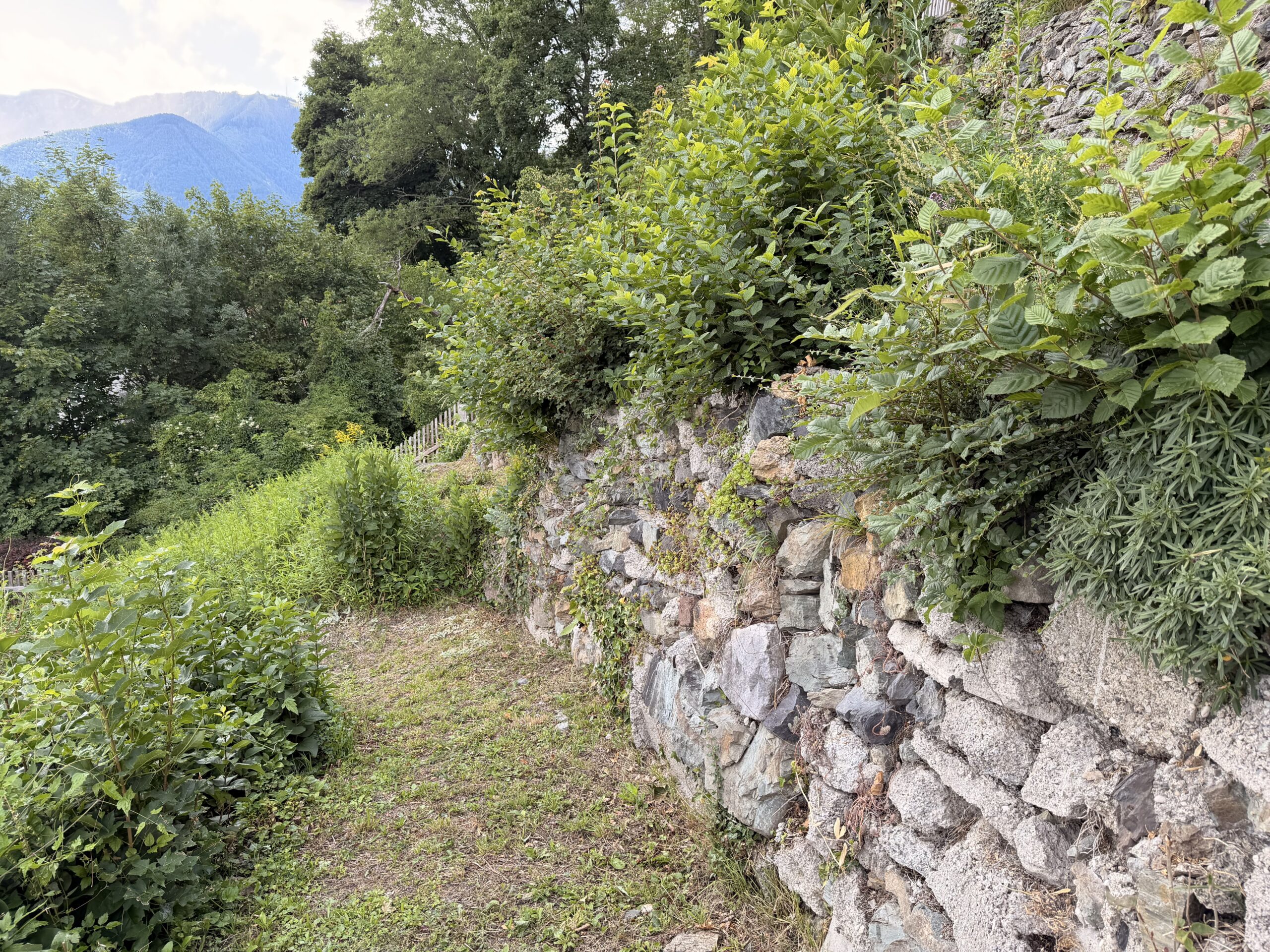
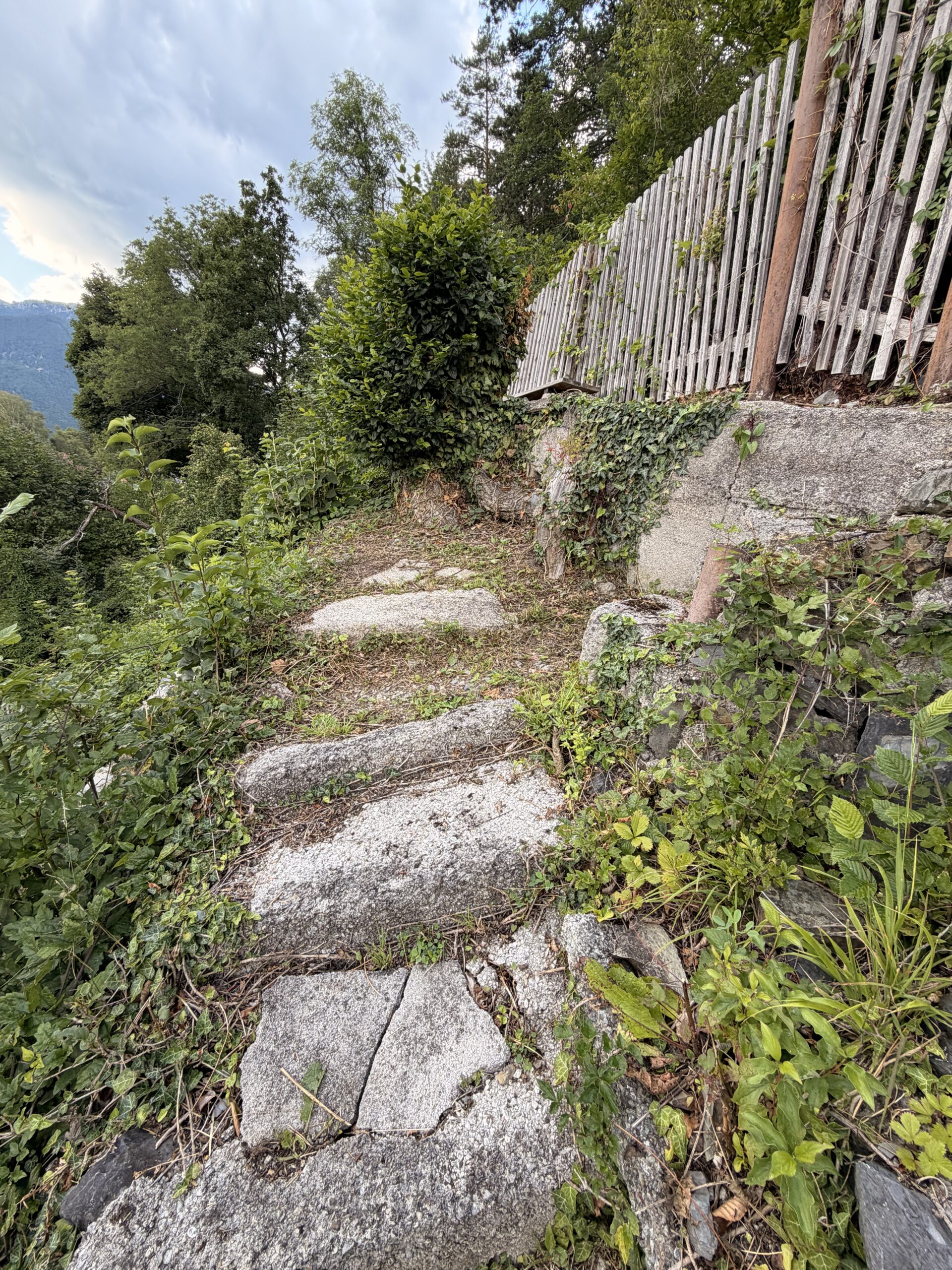
The garden behind the house unfolds in a series of small terraces connected by steep, uneven concrete steps. The former owner built the stone walls and stairways after returning home from the Second World War. It became part of his healing journey—a way of rebuilding not only the hillside, but perhaps himself as well.
Halfway up the steep garden stands a small wooden cabin. I plan to use it as a place for meditation. There is something deeply peaceful about this spot. It feels like sacred ground—a place where silence dwells and the soul can rest.
The surrounding mountains are a paradise for hikers. I look forward to wandering along countless mountain paths, discovering hidden historical sites, and resting at alpine huts that serve traditional Austrian food. Every walk promises new discoveries, and I look forward to sharing them with you.


Sounds absolutely divine!
It is a place at home. I am looking forward to getting more intimately connected with the place. Maybe you can come for a visit sometimes? You will love it! Big hug💕