

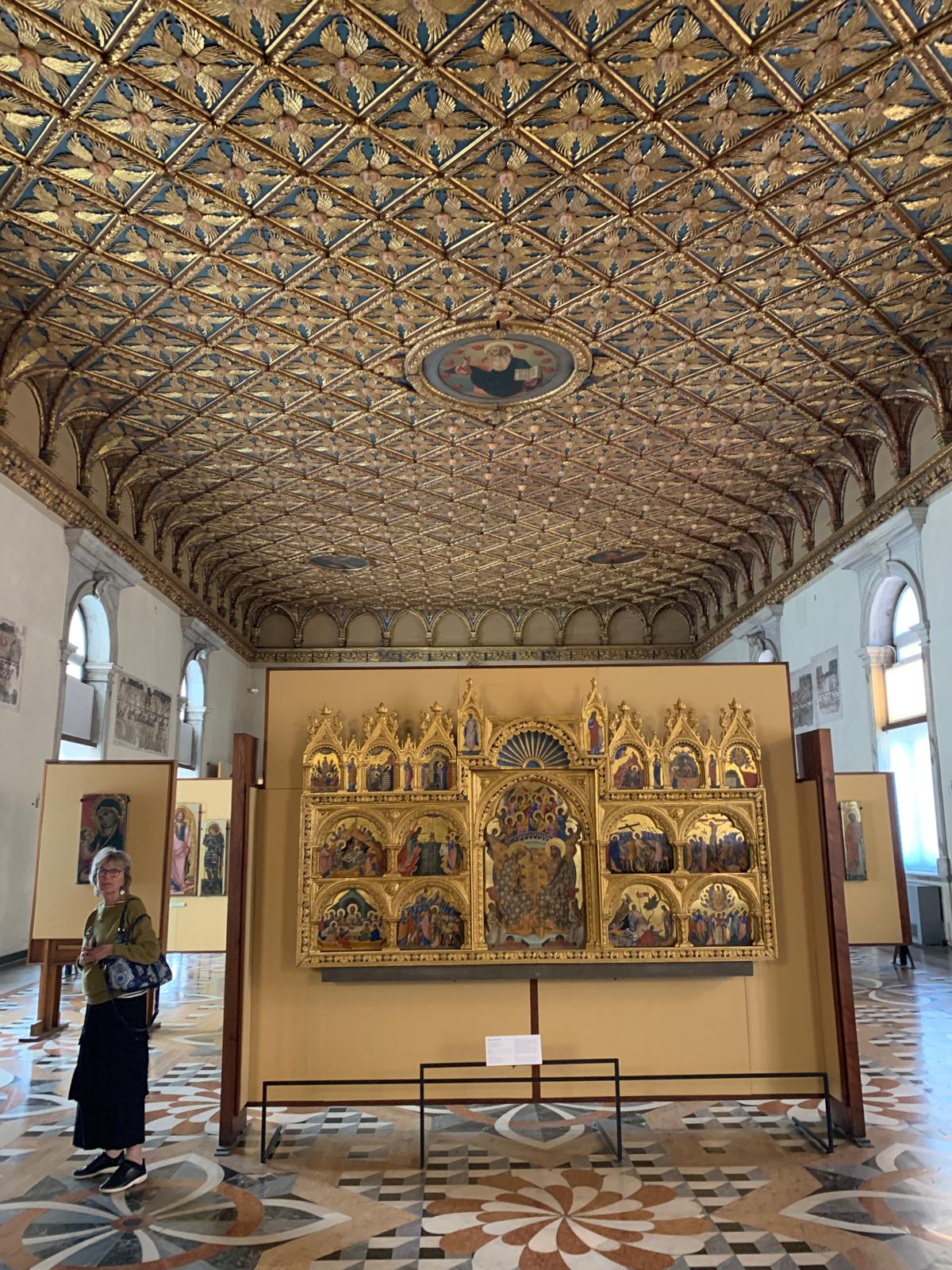
Whenever I come to Venice, I visit a painting by Hieronymus Bosch in the Gallerie dell’Accademia. It depicts Saint Wilgefortis — known in Austria as Saint Kümmernis — a saint who never existed except in longing and imagination.
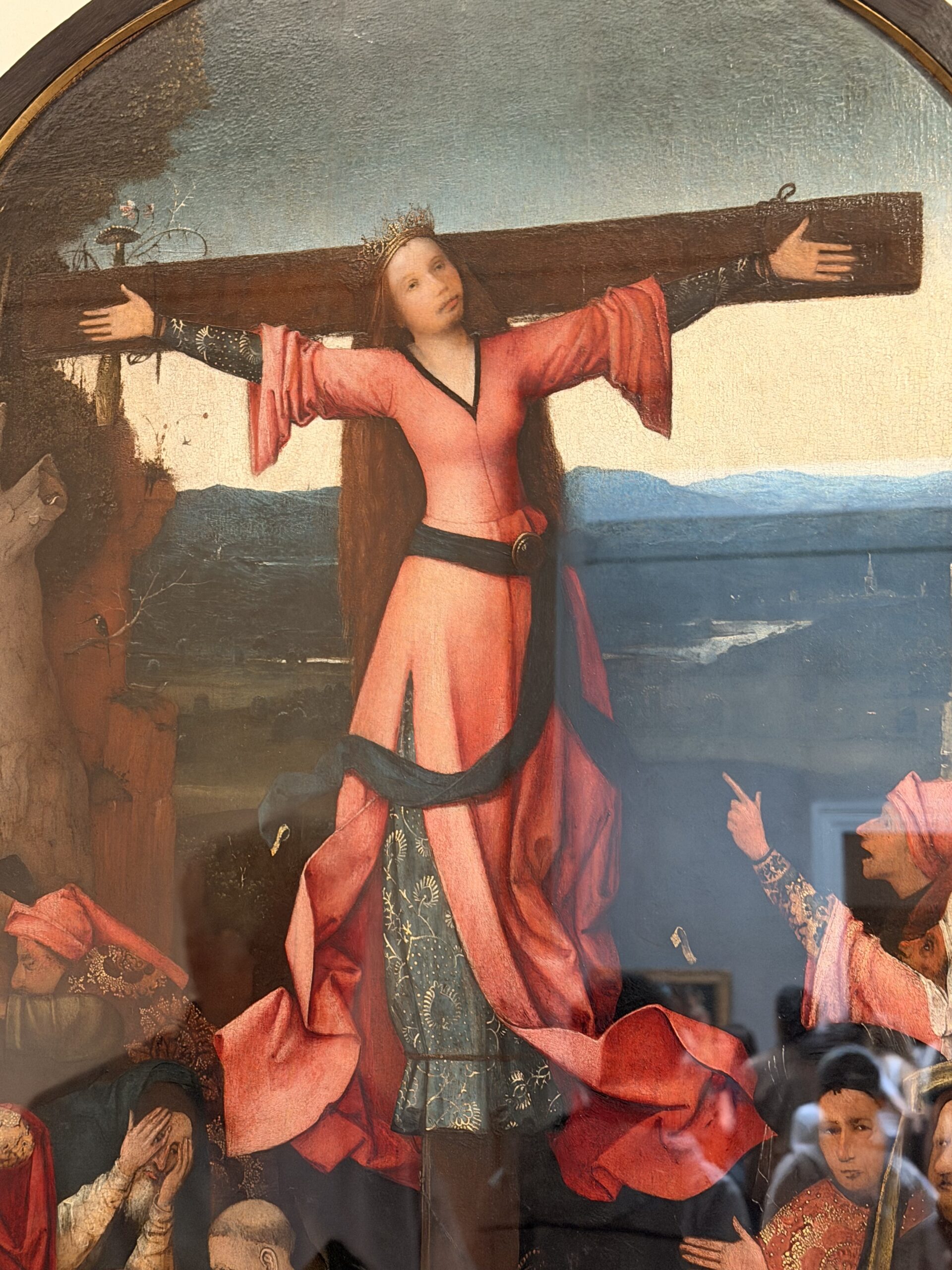
Each time I stand before her image, I remember lines by Rainer Maria Rilke:
Overflowing heavens of squandered stars are gleaming above Sorrow. Instead of into pillows, cry up. Here, at the already crying, at the fading face, reaching around itself, starts the all engulfing universe. Who disrupts when you strive towards there, the flow. No one, unless you struggle with the overpowering direction those constellations have towards you. Breath. Breath in the dark of this earth and again, look up! Again. Easily and featureless depths leans toward you from above. The freed night embracing face is making room for yours. (translated by my daughter Susanne Wild)
But what moved me most about the depiction of St. Wilgefortis were her outstretched arms. They reminded me of the little pigeons on my balcony, endlessly opening their wings toward the unknown. How vulnerable they were, and yet how fearless and strong. What immense trust and openness life demands from every creature before its first leap into the air.
And yet, like the passing shadow of a crow, a dark thought crossed my mind:
Were my little pigeons safe?
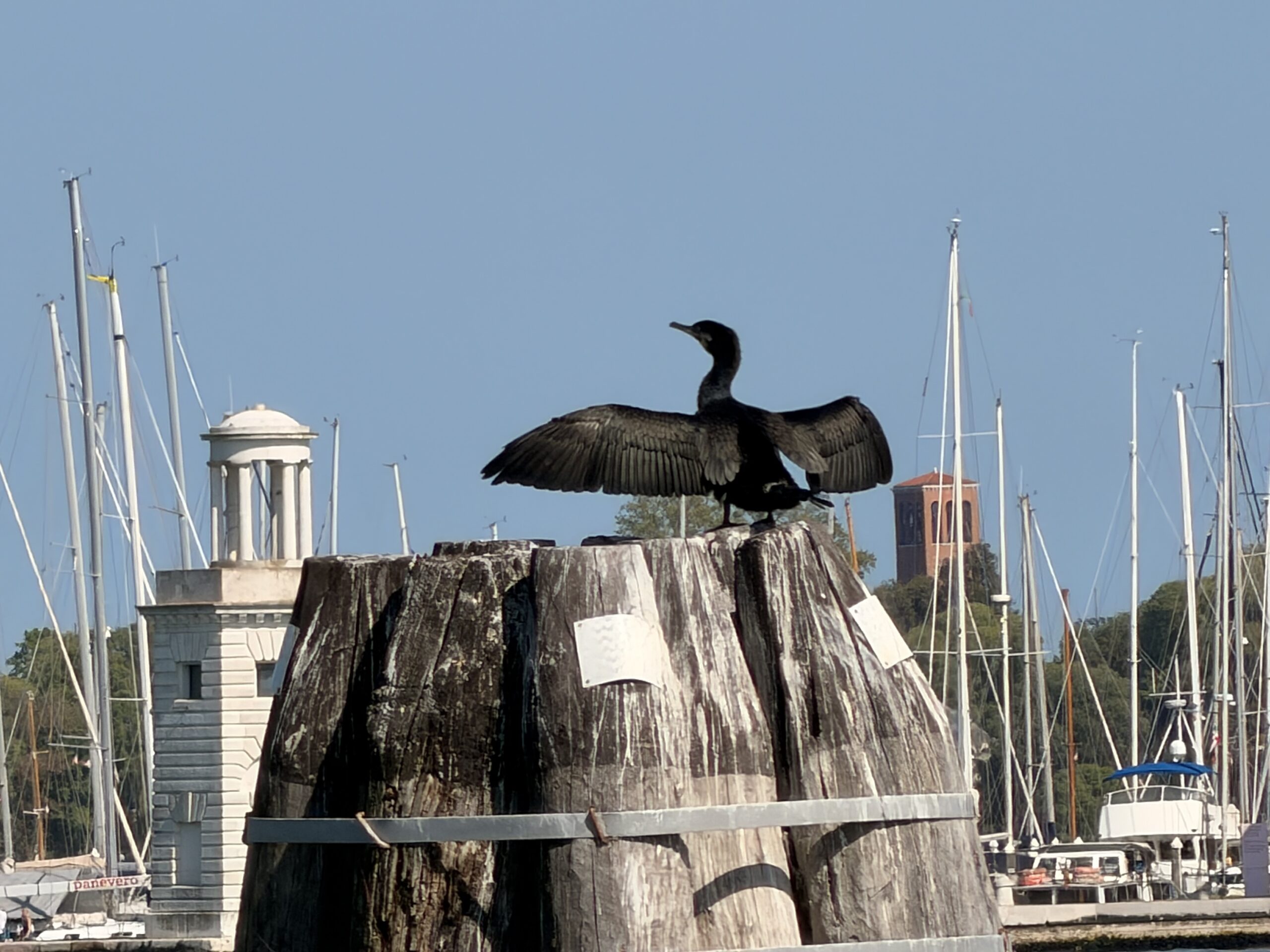
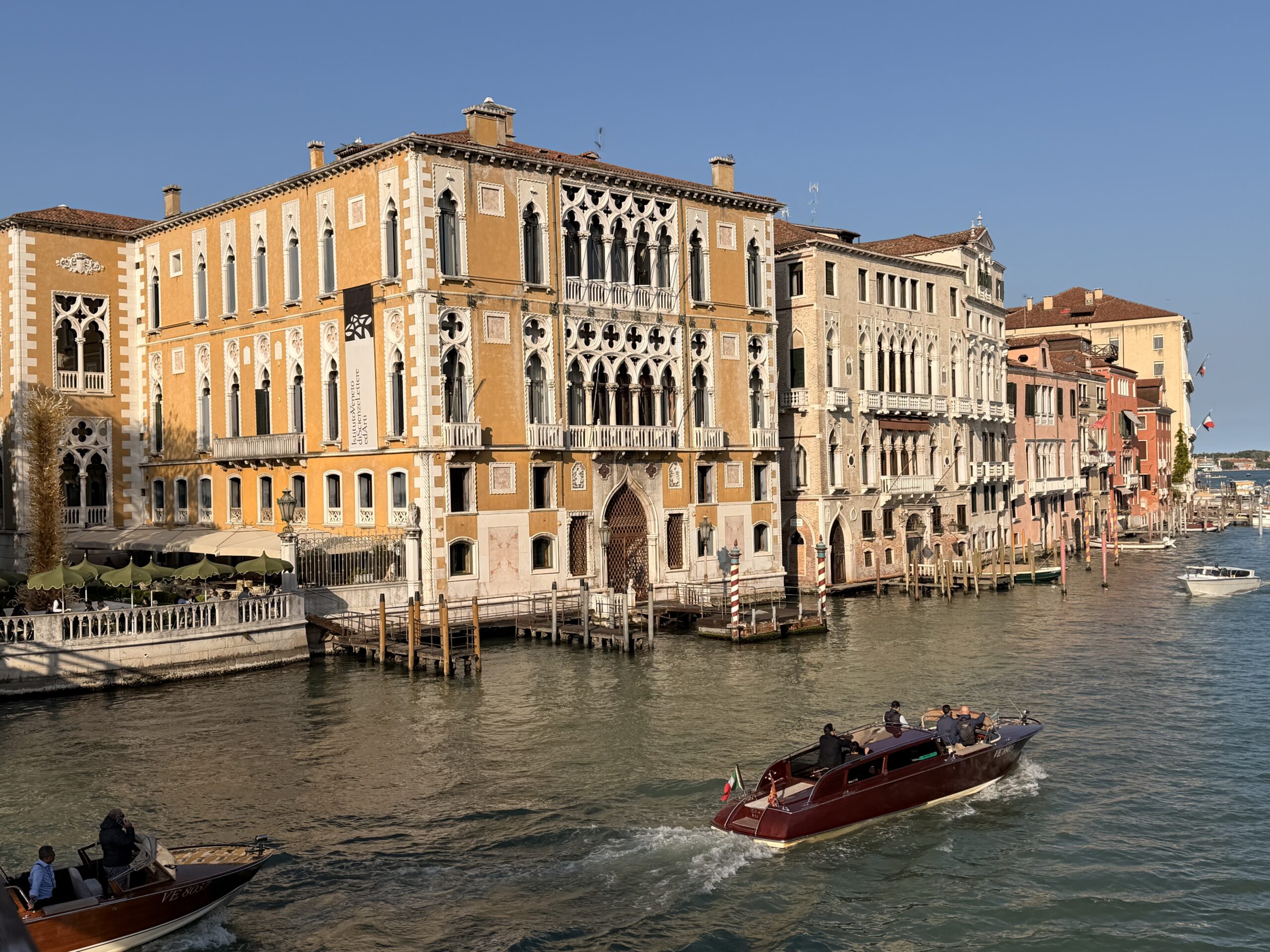
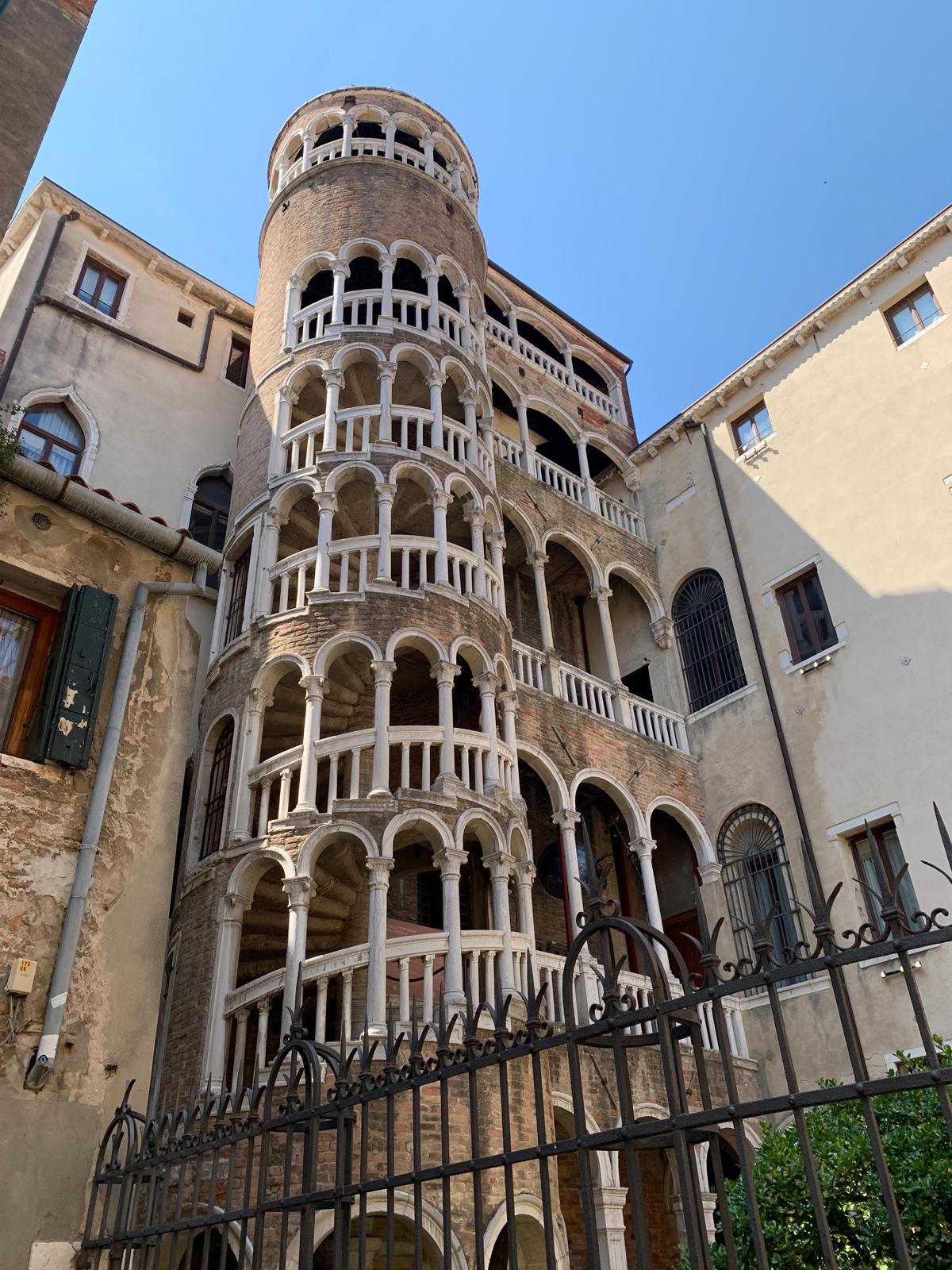
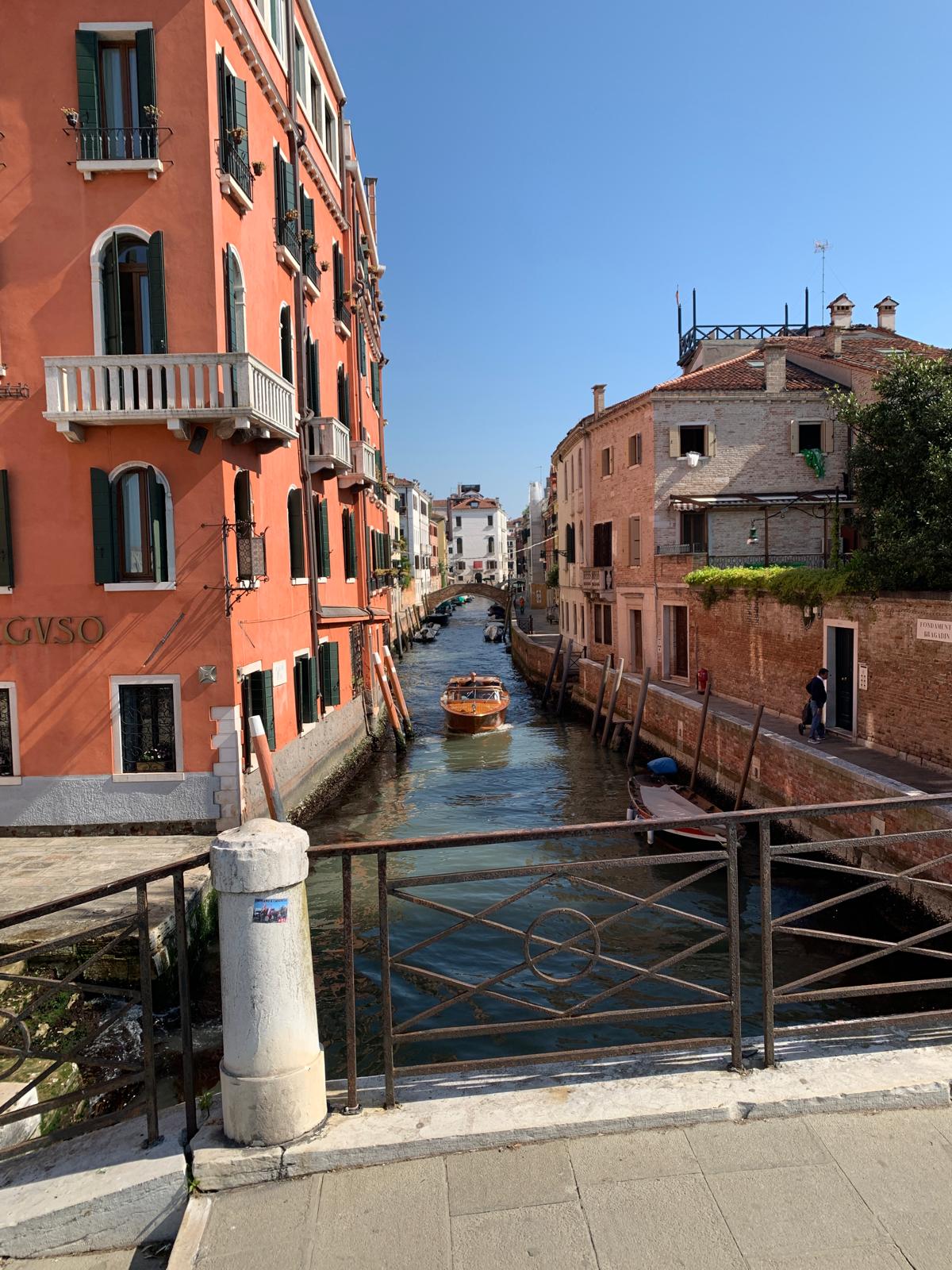
The days in Venice unfolded like a dream suspended between beauty and decline. Everywhere the city shimmered with transience. The sea glittered like fields of scattered diamonds beneath the sun, while the waves striking the ancient walls sang softly of decay, surrender, and time.
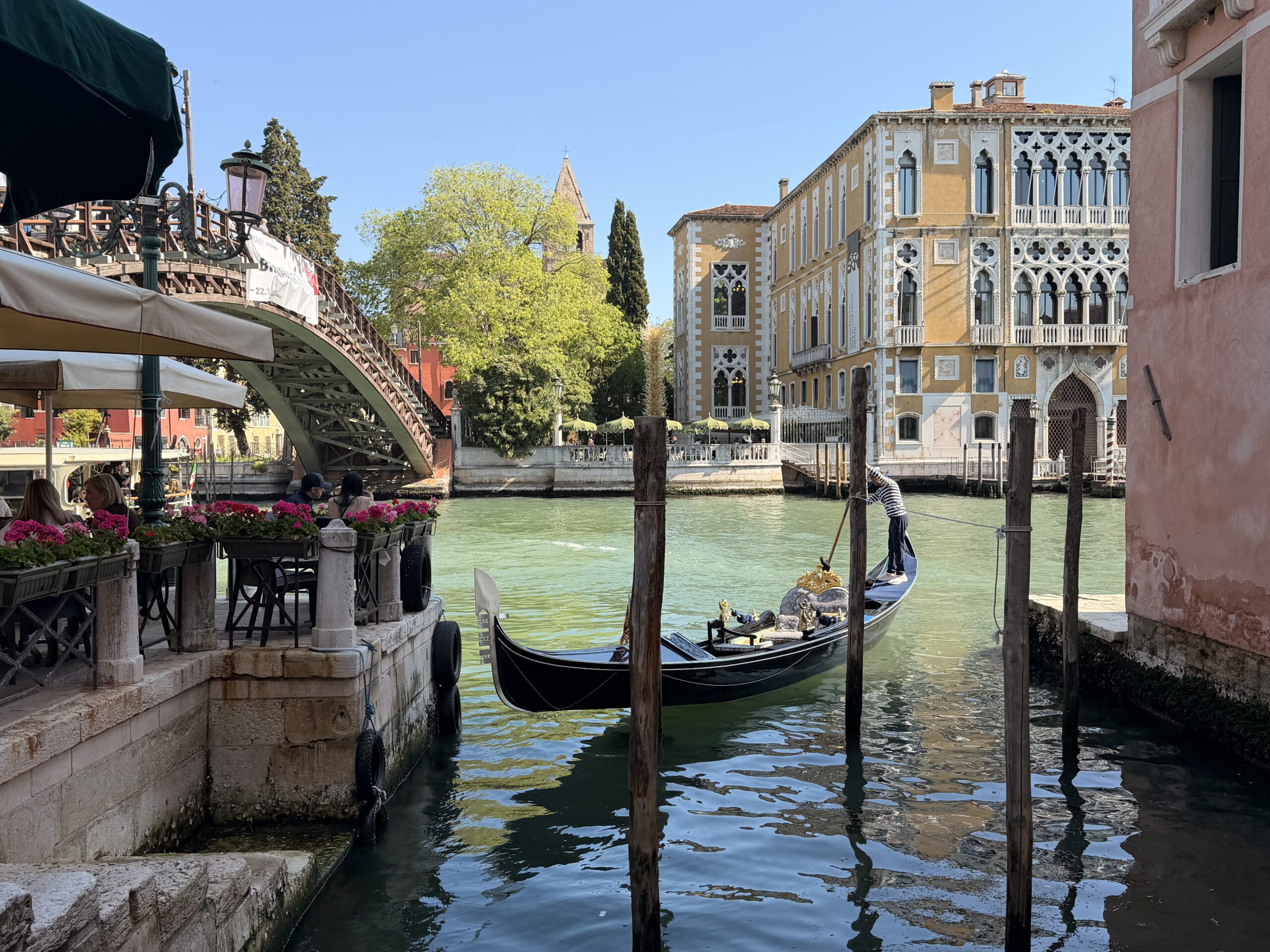
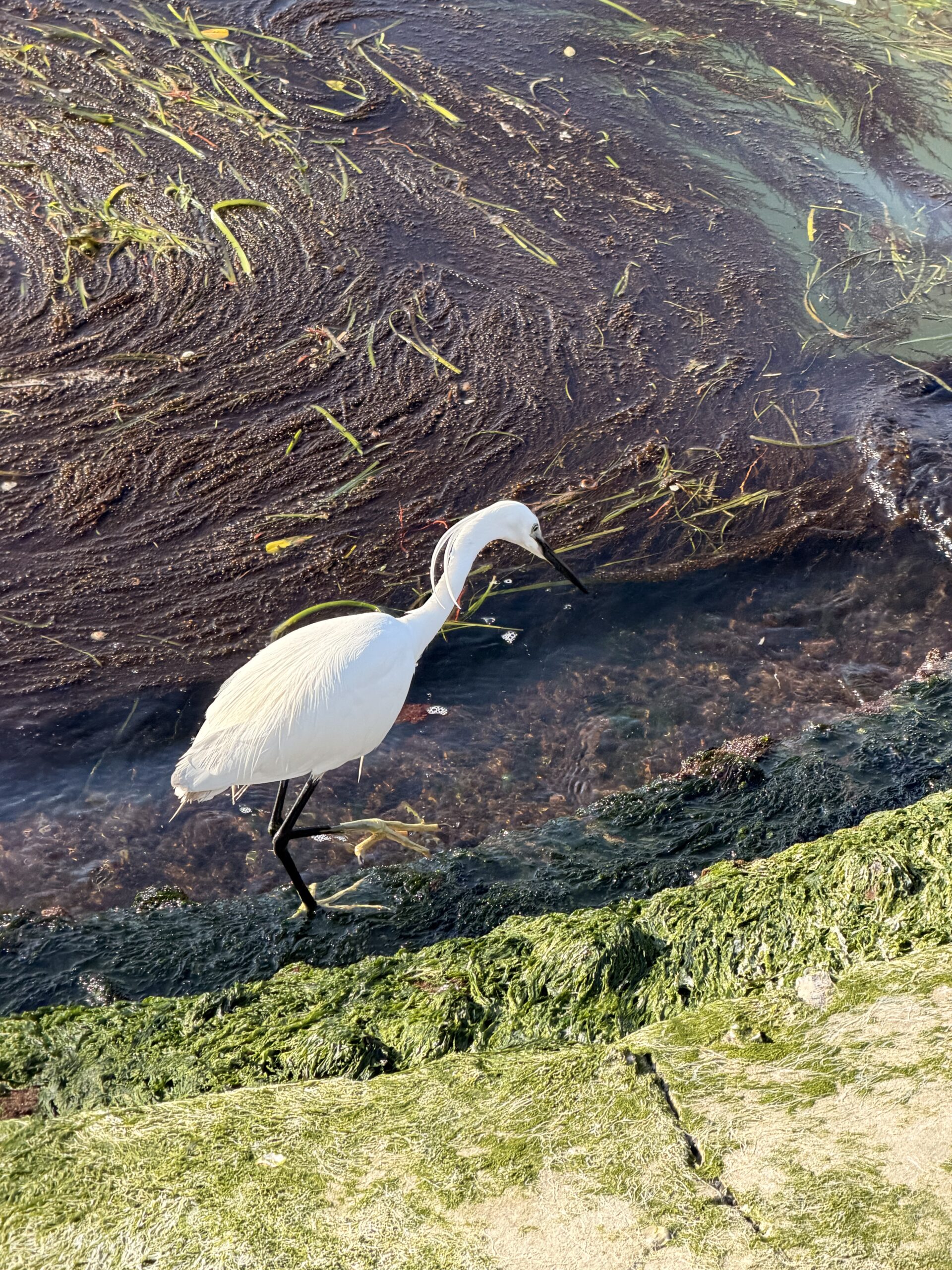
Venice itself seemed to float upon the water like Wilgefortis upon the cross — serene above suffering, released from earthly burdens, surrendered completely to the tide of existence.
Then a brief message arrived from my friend in Vienna:
The little pigeons had left the balcony.
I felt sudden sorrow that I had not witnessed their departure into the world.
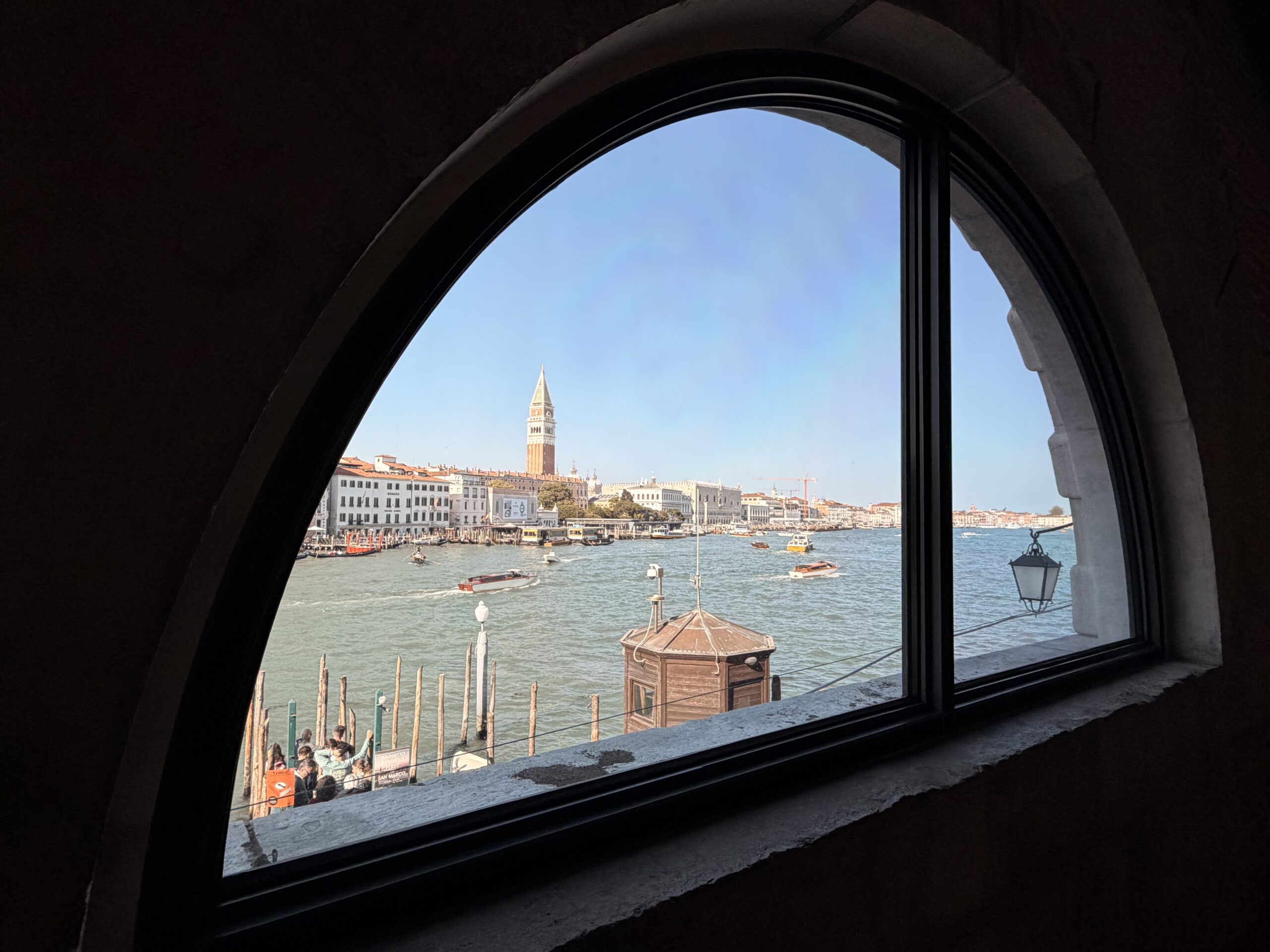


Venice is a totally unique and magic place.
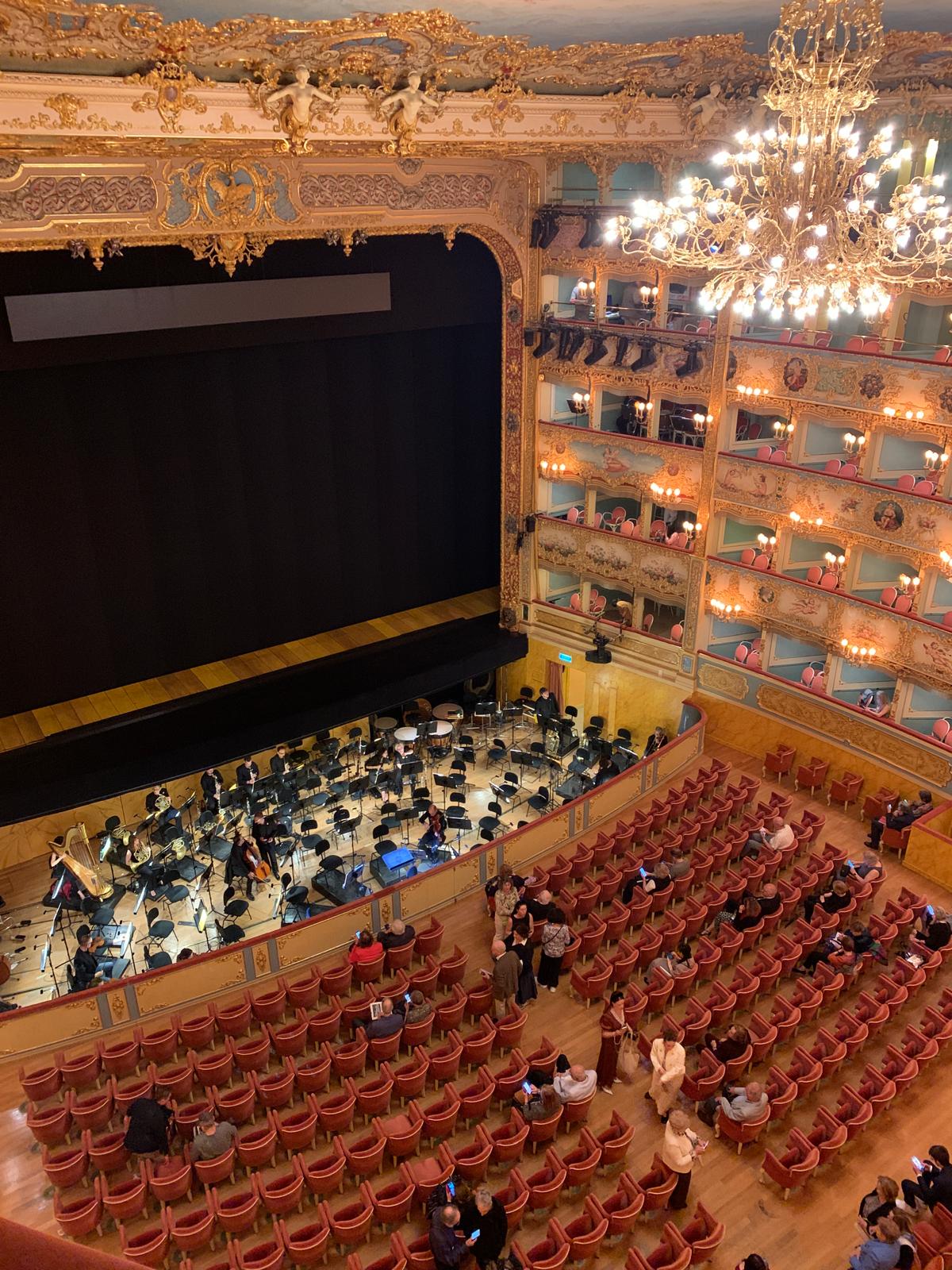
I first went there to sing at la Fenice in 1982. A Viennese group of players and singers were touring Italy with a Programme of Stravinsky music when his centenary was celebrated. I sang a Song Cycle in Russian, and fell in love with Venice !
Loved reading your blog and enjoyed the photographs xxx
Hi Susan, yes, it was so full of magical things. We went to the newly renovated opera house (you saw it in the photo) and listened to Lohengrin – an amazing experience. Beautiful staging and singing. Then the Guggenheim Museum and and and…..just walking around would have been enough. Thanks for reading the blog.